
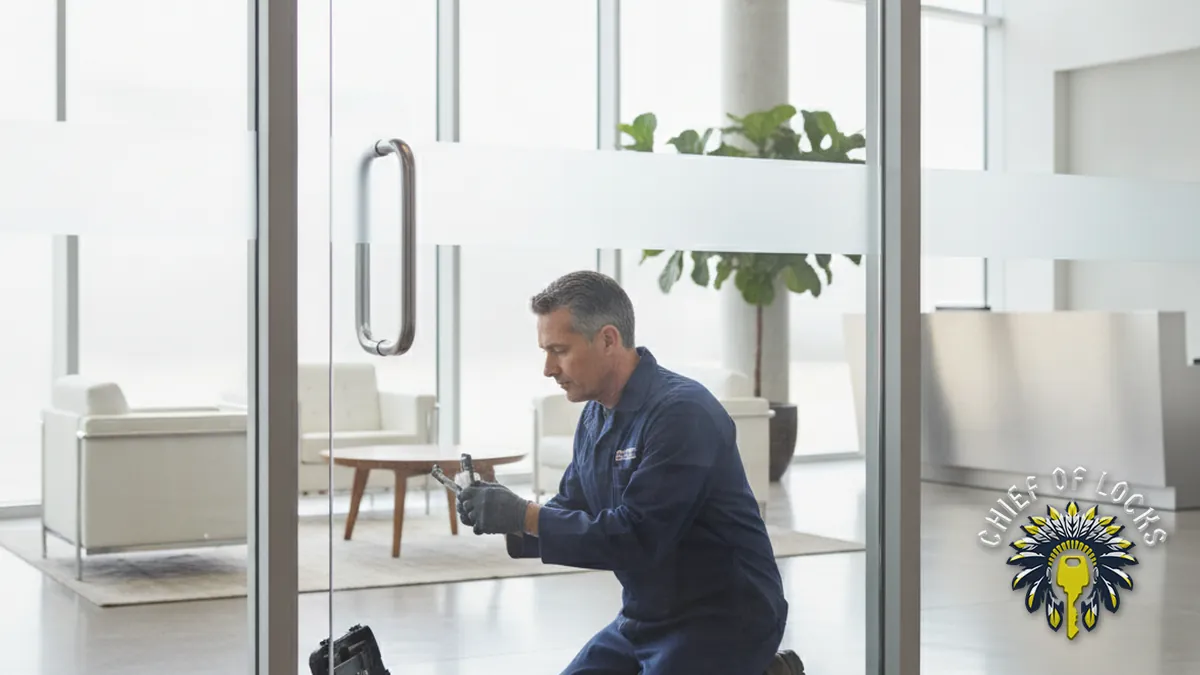
Quick answer: commercial lock repair keeps your business doors secure and code-compliant, and a commercial locksmith can fix most commercial locks, door closers, and panic bars on site. This guide covers the common repairs, the repair process, the cost, and how to choose a commercial locksmith in Indianapolis.
A failing lock on a business door is more than an annoyance. A malfunctioning lock can block emergency exits during a crisis, and a neglected lock can lead to security breaches that put your property and staff at risk.
Commercial lock repair requires specialized knowledge because commercial doors use heavier-duty systems than a home. The right locksmith service keeps your property safe, your doors working, and your business open.
What Commercial Lock Repair Covers
Commercial lock repair covers the locks, doors, and door hardware that keep a business secure. It is a different job from residential lock work.
Commercial-grade locks have a stronger rating for security and take far more abuse from daily traffic. A busy office door can cycle hundreds of times a day, so its lock wears faster than a home lock.
That is why a commercial locksmith needs experience with heavy-duty hardware. The work ranges from a simple lock repair to a full access control system across the whole property.
A good commercial locksmith service handles the entire building, from the front storefront door to the back office and the server room. One provider for every lock keeps your business security consistent.
Signs Your Commercial Locks Need Repair
Watch for the early signs so a small issue does not become a security problem. A quick repair now prevents a costly lock replacement later.
- A key that sticks or is hard to turn in the lock
- A jammed deadbolt or a latch that will not catch the strike
- A door that does not close or seal because of a worn door closer
- A panic bar that sticks or does not release on the first push
- A loose lock, worn hinges, or a door that is out of alignment
- A card reader or keypad that fails to unlock the door
Any of these signs on a business door needs a look. Routine checks can identify small issues before they escalate into a lockout or a break-in.
A worn lock rarely fails all at once. It gets harder to turn, then it sticks, then one day the key will not work and the office is locked out during business hours.
Common Commercial Lock and Door Repairs
Most commercial repairs fall into a few categories. Here are the ones a commercial locksmith handles most for local businesses.
Commercial Deadbolts and Cylinders
A worn commercial deadbolt or cylinder is a common fix. The locksmith repairs or replaces the cylinder and can key it to your master key system.
If a key breaks off in the lock, the locksmith extracts it and repairs the cylinder so the door works again. A rekey is often cheaper than a full lock replacement.
Panic Bars and Exit Devices
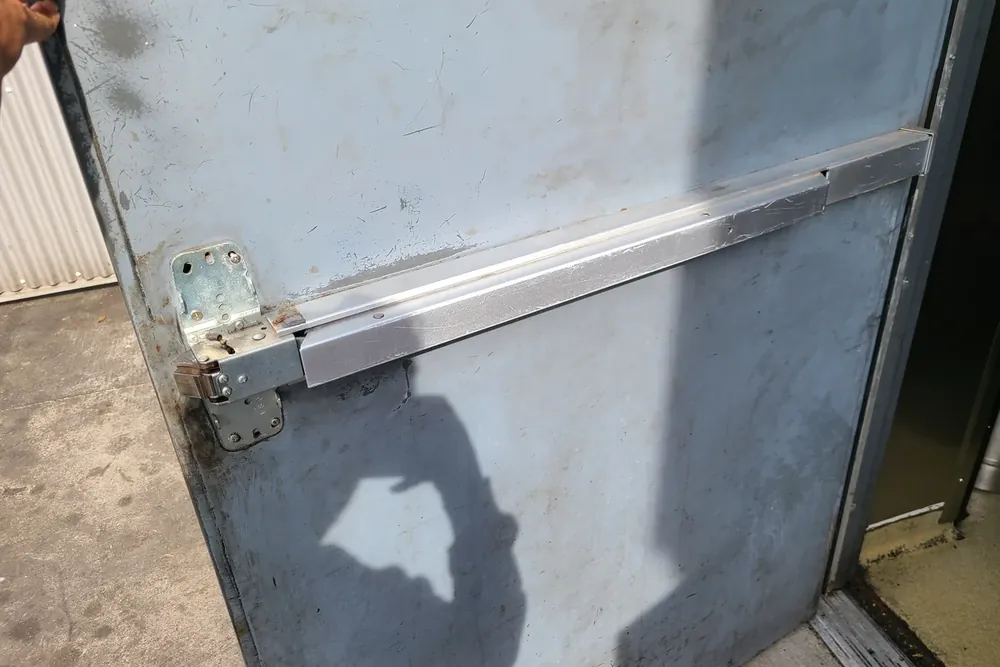
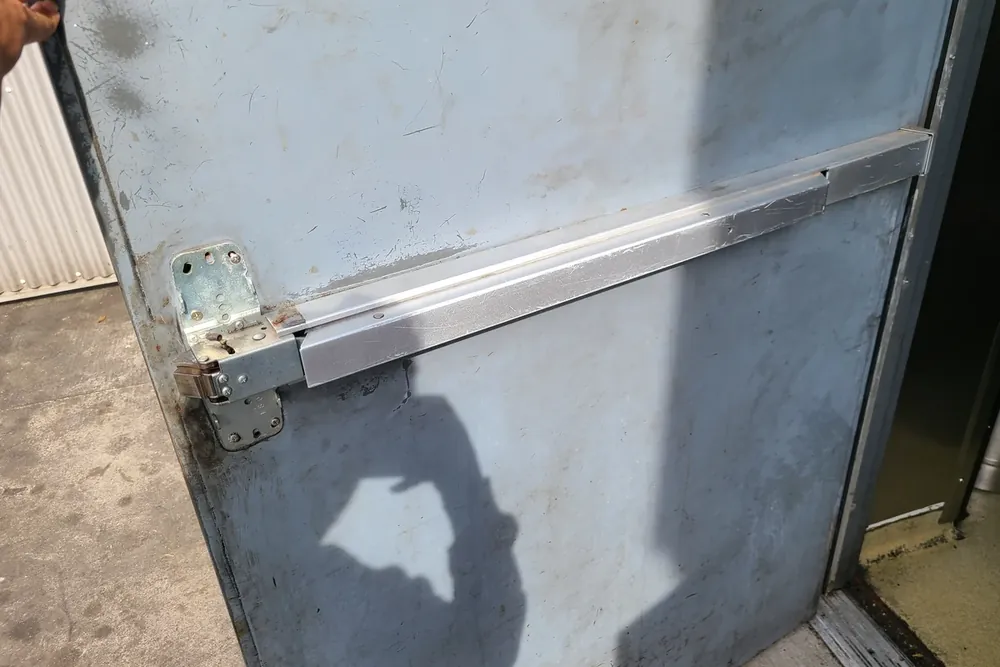
Panic bars allow fast exit in an emergency, so they must work every time. A sticking exit device is a safety and code issue that needs prompt repair.
A locksmith adjusts or rebuilds the panic bar so the door latches when closed and releases instantly when pushed. That keeps the office both secure and compliant.
Door Closers
A commercial door closer controls how a heavy door shuts. Door closer repairs fix a door that slams, drifts, or will not latch, which protects both security and the door.
A failed closer leaves a door propped open and the business exposed. Repairing or replacing the closer restores a controlled, secure close every time.
Storefront and Hollow Metal Doors
Storefront lock repair covers aluminum glass doors and their narrow-stile locks. These doors are the face of a retail business and get heavy public traffic.
Hollow metal doors use heavier locks and hinges that a commercial locksmith is trained to service. Both door types need the right hardware to stay secure.
Access Control and Card Readers
Access control systems include keypads and card readers that replace keys with credentials. A locksmith repairs the reader, the strike, and the wiring so the system stays secure.
When a reader fails, staff cannot get in and the door may fail unlocked. Fast repair keeps access control doing its job of tracking and limiting entry.
Master Key Systems
A master key system lets one key open many doors while staff keys open only their own areas. Locks must be calibrated to latch properly and integrate with the master key system after any repair.
When you add or remove staff, a locksmith rekeys the affected locks so old keys no longer work. That keeps the master key system tight and the office secure.
The Commercial Lock Repair Process
A professional commercial lock repair follows clear steps. Knowing them helps you understand the quote and the timeline.
The job may involve assessment, diagnosis, disassembly, repair, reassembly, and testing. The technician inspects the lock mechanism, the door alignment, and the hardware during the repair.
Good providers offer upfront pricing with a clear written estimate before work begins. There should be no surprise charges once the locksmith is on site.
After the repair, the locksmith tests the lock and door for full function before leaving. A quick test of every key and the closer confirms the door is secure.
Commercial Lock Repair Cost
Most commercial lock repairs run $95 to $250 plus a service call. The exact cost depends on the lock, the door, and the hardware.
A simple cylinder or latch repair is at the low end. A panic bar rebuild, a door closer, or access control work sits higher because the parts and labor cost more.
Master key systems and full access control are quoted per site. Always ask for a written estimate so the price is clear before the work starts.
Commercial Lock Installation and Upgrades
Repair is not always the answer. Sometimes an upgrade gives a business better security for the money.
High-security locks reduce unauthorized key duplication, and a restricted key system prevents unauthorized key copying. Both are smart upgrades for an office with many keys and staff.
Smart locks and advanced access control systems add keypads, card readers, and audit trails. Expert installation ties the new hardware into your existing doors and business security plan.
An upgrade is a good time to standardize the building on one lock brand and one master key system. That makes every future repair faster and cheaper.
Why Commercial Lock Maintenance Matters
Locks last longer with a little care. Regular maintenance prevents costly lock replacements down the road.
Locks should be lubricated regularly to ensure smooth operation, and door closers and hinges should be checked. Neglected locks can lead to security breaches that a simple service call would have prevented.
For property managers, scheduled maintenance across a building is cheaper than emergency repairs during tenant turnover. A maintenance plan keeps every lock and door in full working order.
A yearly check of the locks, doors, and panic hardware catches small problems early. That is the cheapest security a business can buy.
How to Choose a Commercial Locksmith in Indianapolis
Not every locksmith is set up for commercial work. Use these checks to find the right one for your business.
- Confirm the locksmith has real commercial experience with heavy-duty hardware
- Check for a valid state or local license for commercial work
- Ask if they understand local fire, building, and ADA codes for compliance
- Look for upfront, transparent pricing and a written estimate
- Confirm 24-hour emergency lockout service for your business
Emergency lock services should provide a rapid response and 24/7 dispatch, because a broken lock cannot wait until Monday. Experienced techs complete repairs quickly and get your doors secure.
Chief of Locks provides commercial lock repair, installation, and master key systems across Indianapolis. Call (317) 671-7873 for upfront pricing on your business doors. You can verify a locksmith through the Associated Locksmiths of America. Schlage builds commercial-grade locks and access hardware for businesses.